
Understanding Silver Abyssinians
Picture this: you’re ready to start your own breeding programme for Silver Abyssinians, but you’re not sure where to begin. Between curious coat colours, inherited health concerns and ethical considerations, there’s a lot to juggle. That’s why we created this guide on breeding Silver Abyssinians: genetics, ethics and best practices. You’ll learn about the genes behind that shimmering coat, how to screen for common health conditions, and what it takes to breed responsibly. So, let’s dive in.
Origin And History
Silver Abyssinians didn’t actually hail from ancient Egypt despite the old lore. Genetic research suggests their ancestors lived around the Indian Ocean and parts of southeast Asia. In Britain, selective breeding of brown and silver tabbies during the late 19th century gave rise to today’s coat variations.
For a deeper look at their journey in the UK, see our history of silver abyssinians in the uk from first imports to today.
Unique Silver Coat
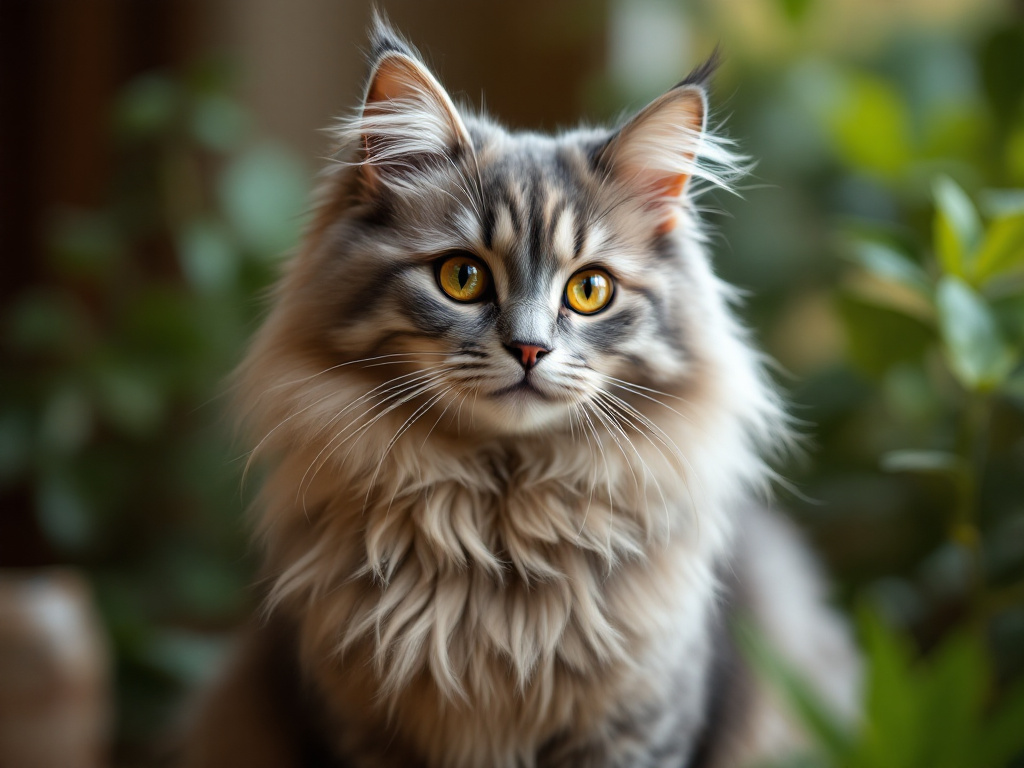
What makes a silver Abyssinian so striking is that silvery-white undercoat. It’s created by the melanin inhibitor gene, which suppresses pigment production in certain fur bands. Each hair shaft shows pale and dark rings, producing that pearlescent glitter.
Curious how silver stacks up against other Abyssinian colours? Check out our silver vs usual abyssinian comparison of colours and variants.
Temperament And Behaviour
Silver Abyssinians share the breed’s trademark playful, inquisitive spirit. They love climbing, interactive toys and human company. Early socialisation makes them more confident and less likely to develop anxiety.
For more on their personality, see silver abyssinian characteristics appearance temperament and behavior.
Colour Genetics Explained
Breeding for that perfect silver shimmer means mastering a handful of key genes. Let’s break them down.
Genes Behind Silver Coat
- Melanin Inhibitor (I/i)
The dominant I gene reduces red and black pigment in the hair shaft, producing the silver or smoke effect. - Ticked Tabby (Ta)
Controlled by the dominant ticked (Ta) locus, it creates alternating colour bands and masks other tabby patterns. - Modifier Genes
Various genes adjust intensity. Some point to the Dickkopf-related protein 4 (DKK4) gene as the cause of the ticked look.
Recessive And Dominant Traits
Not all coat colours are equal. Ruddy (tawny) is typically dominant, while sorrel, blue and fawn are recessive. Producing a silver kitten requires both parents to carry the inhibitor gene.
Breeders often run a simple Punnett square to predict outcomes. Here’s a quick example:
| Parent A Genotype | Parent B Genotype | Percentage of Silver Kittens |
|---|---|---|
| II | Ii | 100% |
| Ii | Ii | 75% |
| Ii | ii | 50% |
| ii | ii | 0% |
Health Testing Essentials
Protecting your kittens’ health starts with genetic screening and routine veterinary checks.
Genetic Health Risks
Abyssinians have predispositions you need to know about:
- Feline Cardiomyopathy & FATE
Heart muscle weakness can lead to clot formation and thromboembolism. - Pyruvate Kinase Deficiency (PKD)
A blood disorder causing anaemia in kittens. - FIP Susceptibility
Some bloodlines show higher susceptibility to feline infectious peritonitis. - FLUTD & Amyloidosis
Urinary tract issues and protein deposits that affect kidney function.
| Condition | Screening Method | Onset Age |
|---|---|---|
| Cardiomyopathy | Echocardiogram | 1–5 years |
| Feline Aortic Thromboembolism (FATE) | Blood clot markers | Adult cats |
| Pyruvate Kinase Deficiency (PKD) | DNA test | Kittens (6–12 weeks) |
| FIP Susceptibility | Antibody titres + pedigree | Varies with stress/infection |
Routine Health Checks
Regular well-cat visits help you catch issues early. At each check, ask your vet to:
- Examine heart and lungs
- Check dental health and gums
- Screen for parasites (fleas, worms)
- Monitor weight and body condition
Along with genetic screening, you can find grooming and nutrition tips in our silver abyssinian health and care guide grooming nutrition common issues.
Ethical Breeding Practices
Breeding isn’t just about pairing cats. It’s about welfare, transparency and safeguarding the breed.
Responsible Genetic Selection
Only mate cats with clean genetic screens. Remove carriers of PKD, severe heart conditions or other debilitating diseases from your programme. Investing in DNA tests upfront avoids heartbreak and vet bills down the line.
Welfare And Housing Standards
Your breeding cats and kittens deserve:
- Spacious, clean maternity suites
- Temperature-controlled nurseries
- Social enrichment (toys, climbing structures)
- Daily human interaction
Never overcrowd. Make sure each queen (breeding female) has her own quiet space to whelp.
Kitten Socialisation Checks
A well-rounded kitten becomes a confident adult. Breeders should start gentle handling at two weeks old. Gradually introduce:
- Novel textures (carpet, metal bowls)
- Household sounds (vacuum, doorbell)
- Different people and safe animals
Learn more about early socialisation from silver abyssinian kitten socialisation how breeders prepare them for homes.
Best Breeding Practices
Let’s cover the hands-on steps that keep your programme efficient, ethical and fun.
Selecting Breeding Pairs
- Review Pedigree Papers
Confirm both parents have verified ancestry. See what to check in silver abyssinian pedigree papers explained what buyers should check. - Confirm Colour Genes
Use genetic tests to ensure both carry the inhibitor gene for silver. - Evaluate Temperament
Pair friendly, confident cats to reduce stress and improve kitten outcomes.
Managing Litters
Nursery Setup
- Soft bedding in a draft-free area
- Separate feeding and elimination zones
- Low-rise walls so mum can move freely but kittens stay safe
Weaning And Nutrition
- Start at 4 weeks with high-quality kitten formula
- Offer moist food by week 6, gradually introduce kibble
- Monitor weight daily and adjust portions
Finding Reputable Breeders
A good mentor can make all the difference. To spot a responsible breeder:
- Ask about genetic testing protocols
- Tour the facility in person
- Meet both parents, not just kittens
For red flags and recommendations, see how to spot a reputable silver abyssinian breeder vs backyard breeder. Or browse our list of top silver abyssinian breeders in the uk how to choose.
Case Study: Ethical Breeder Example
Here’s how a small UK cattery put these principles into action.
Programme Overview
SilverWhisper Cattery focused on:
- Comprehensive DNA panels for each breeding cat
- Spacious, enriched nurseries with vertical climbing posts
- Early socialisation classes with volunteers
They aimed to eliminate PKD carriers within three generations and maintain the smouldering Silver Abyssinian personality.
Outcomes And Insights
- PKD prevalence dropped from 12% to 0% in four years
- Kitten mortality fell by 40% thanks to improved nursing setups
- New owners reported calm, confident kittens ready for homes
Take these wins as proof that careful planning and ethics pay off.
Final Thoughts And Next Steps
Breeding Silver Abyssinians combines art, science and a big dose of heart. You’ve learned about:
- Key colour genes behind that silver shimmer
- Health screens to protect cats and kittens
- Ethical standards that prioritise welfare
- Practical steps from pairing to weaning
Ready to jump in? Here’s what to do next:
- Book genetic tests for your foundation cats
- Draft a detailed breeding programme schedule
- Connect with an experienced mentor or local club
Have questions or tips from your own journey? Drop a comment below and let’s keep the conversation going.