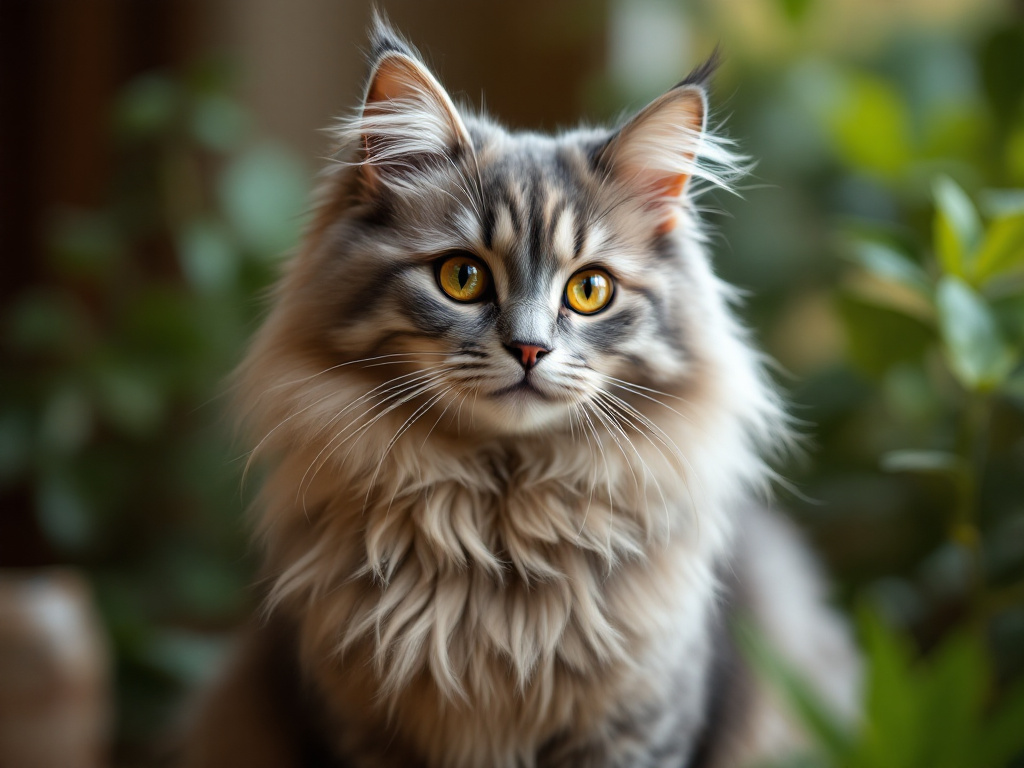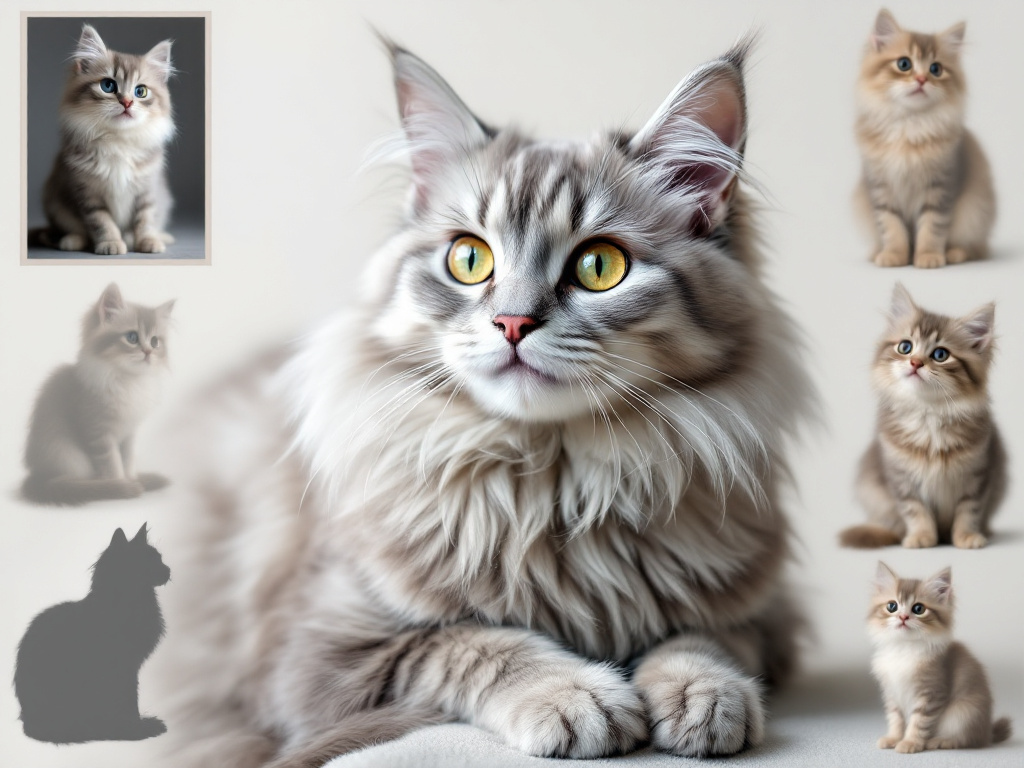

Ever wondered how a shimmering silver-faced cat captured British hearts? If you’re curious about those earliest arrivals on these shores, you’re in the right place. We’ll cover the full history of Silver Abyssinians in the UK from first imports to today. Along the way, you’ll meet pioneering breeders, spot key milestones, and see why they still dazzle at cat shows.
Want to learn about their playful antics and striking look? Check out the silver Abyssinian characteristics, appearance, temperament, and behavior.
Early Silver Imports
Before World War II, true Abyssinians were rare in Britain. But one cat started the legend.
Zula’s Arrival
In 1868, Lt. General Sir Robert Napier brought home a cat named Zula after the Abyssinian campaign.
Zula won first prize at the 1871 Crystal Palace show, sparking fascination with ticked coats. Some experts debate if she was a pure Abyssinian, but there’s no denying her impact.
Postwar Revivals
World War II and a feline leukaemia outbreak left fewer than a dozen Abyssinians in the UK. Breeders imported new bloodlines from:
- Holland
- America
- Scandinavia
- Australia
- New Zealand
This wave didn’t just save the breed; it set the stage for the silver variant to flourish.
Key Early Arrivals
| Cat Name | Year | Origin | Notes |
|---|---|---|---|
| Zula | 1868 | India (via UK) | Crystal Palace winner, debated ancestry |
| Aluminum II & Salt | 1907 | England → USA | First Abyssinian imports to America |
| Postwar Imports | Late 1940s | Netherlands, USA, Scandinavia, Australia… | Revived UK population after WWII and leukaemia outbreak |
Pioneer Breeders
Once fresh blood arrived, passionate breeders refined the look and temperament you know today.
UK Breed Founders
The first Abyssinians registered in England (1896) came from breeders like:
- Mrs Constance Carew-Cox
- Miss E A Clarke
- Mrs Frederick and Mrs Patman
- Lady Edith Douglas-Pennant and Lady Decies
- Mr Sam Woodiwiss and Mr H C Brooke
Early litters often showed silver or cream bases with faint tabby markings. Breeders then introduced reds to define the ticked coat.
International Importers
Beyond UK shores, figures such as Miss J R Cathcart (importing Aluminum II and Salt) and Virginia Cobb of Newton Cattery sent cats back and forth. Frances Schuler Taft, Judy Smith, and later Harriet Zimmerman, Erolyn Snelling, Aida Zanetti, and Dr C. Wohlrabe enriched the gene pool. British and overseas efforts together shaped the breed’s modern silvery sheen.
Recognition Milestones
From niche interest to official status, these milestones solidified Abyssinians’ place in the cat fancy.
GCCF Official Listing
In 1929, the Governing Council of the Cat Fancy (GCCF) formally recognised the Abyssinian breed. That gave you confidencethat the silvery ticked cat you admired had a home in the registry.
New Silver Varieties
Decades later, the GCCF added silver-based coats alongside ruddy, red, blue, and fawn. Today you’ll find pure silvery white bases ticked with black, blue, cream, or sorrel. Breeders continue trialling new colour blends to expand the silver palette.
Breed Clubs And Shows
If you’re keen to meet fellow lovers or show your cat, these organisations keep the community buzzing.
GCCF And TICA Clubs
You can join breed-specific sections under both the GCCF and the International Cat Association (TICA). These clubs offer:
- Seminars on coat genetics and care
- Social gatherings and cat-centric events
- Resources on pedigree papers and standards
Explore more at silver abyssinians and uk registries gccf tica showing and standards.
Show Standards
Judges look for a slender, muscular body, large ears, and the hallmark ticked coat. For silver Abyssinians, a clear, bright base with fine, even ticking earns top marks. Sharp contrast between the undercoat and ticking is key. Curious about specifics? The club guides and ring side handbooks spell it out.
Modern Silver Status
Fast forward to today and you’ll find silver Abyssinians as captivating as ever—yet still relatively rare.
Popularity And Demand
Silver Abyssinians often command longer waiting lists than their ruddy or blue cousins. Why? Their unique sheen has become highly sought after. If you want to know more about their availability and how rare they truly are, see are silver abyssinians rare availability and demand in the uk. You’ll learn typical wait times, price ranges, and tips to spot a reputable breeder.
Future Developments
Breeders now focus on health and ethical standards alongside coat colour. Genetic testing helps reduce the risk of conditions like progressive retinal atrophy or pyruvate kinase deficiency. For an in-depth look at breeding ethics and best practices, check out breeding silver abyssinians genetics ethics and best practices.
Summary And Next Steps
You’ve just traced the silver Abyssinian’s journey in the UK—from Zula’s grand entrance to thriving today. Here are your key takeaways:
- Early imports like Zula in 1868 sparked British interest.
- Postwar imports saved the breed and paved the way for silver varieties.
- Pioneering breeders in the UK and abroad refined the ticked coat.
- GCCF listed the breed in 1929 and later added silver to its palette.
- Clubs under GCCF and TICA keep standards high and communities connected.
- Silver Abyssinians remain a rare, highly prized colour variant.
Ready for more? If you’re thinking of adding a silver Aby to your home, start with silver abyssinian kittens what to know before buying in the uk. And if you’ve enjoyed this dive through time, share your favourite fact or question in the comments below so fellow cat lovers can join the conversation!