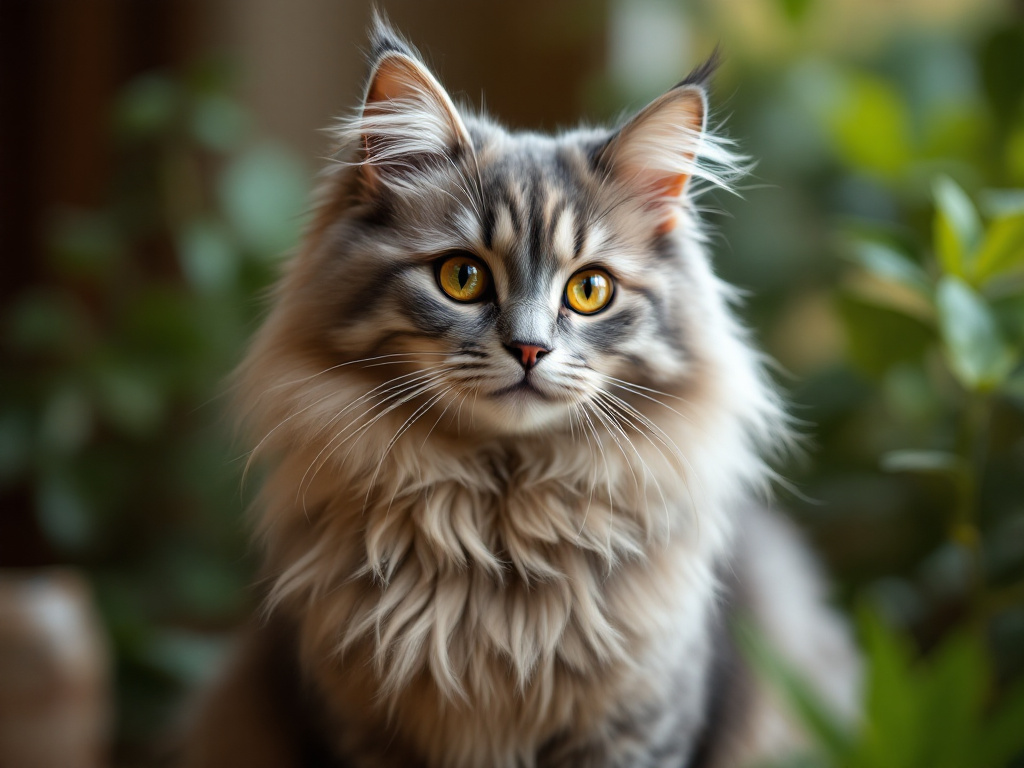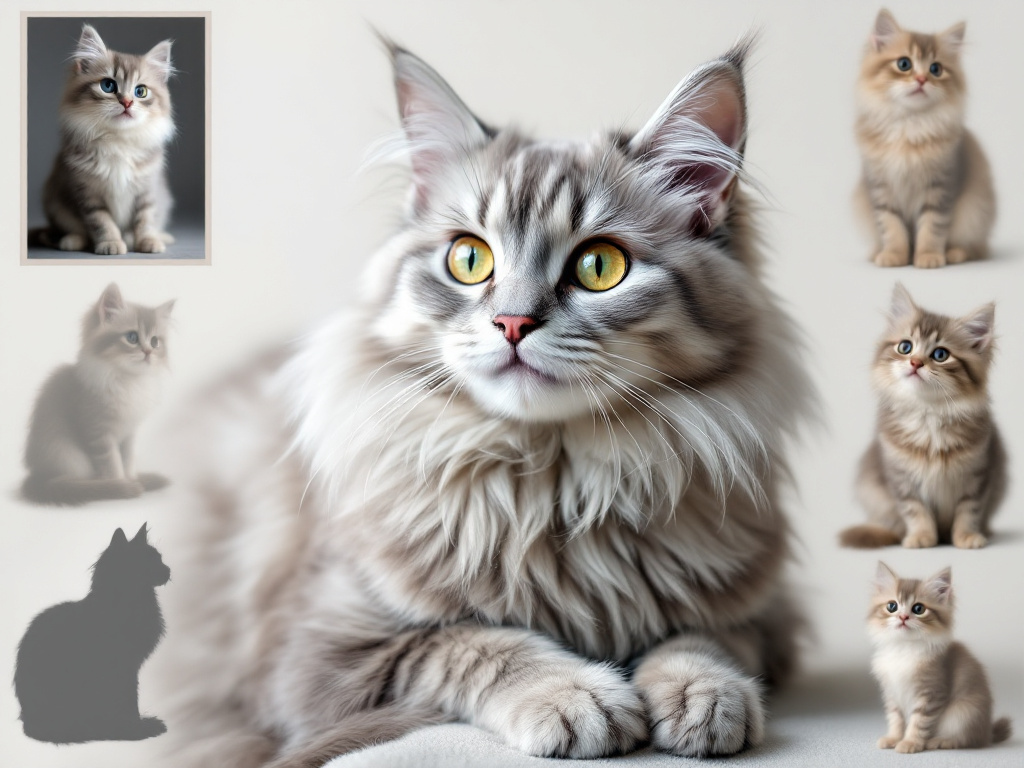

Picture this: you’ve been dreaming of welcoming a silver Abyssinian kitten into your home, and when you finally see that shimmering coat in person, you’re over the moon. But here’s the thing, pedigree papers are your proof that you’re getting the genuine article—a healthy, purebred companion. In this guide, the silver Abyssinian pedigree papers are explained, covering what buyers should check before they commit. You’ll learn how to verify registration details, spot fakes, and confirm breeder credentials, so you can adopt with absolute confidence.
One-sentence promise of value: by the end, you’ll know exactly which details to scrutinise on those documents, helping you avoid scams and protect your future feline friend.
Understand Pedigree Papers
So what are pedigree papers and why should you care? Pedigree certificates are official documents tracing a cat’s ancestry, and for a purebred like the silver Abyssinian, they’re essential.
Definition And Purpose
Pedigree papers typically include:
- Registered name of the cat and registration number
- Names and registration numbers of parents, grandparents, and beyond
- Breeding club or registry logo and signatures
- Date of issue and official stamp or watermark
These details prove that your kitten comes from two registered pedigree parents, not a random moggy. Without papers from a recognised body, you have no guarantee of lineage, health screening or ethical breeding practices.
Silver Abyssinian Distinctions
Silver Abyssinians often belong to a distinct group, encompassing usual silver, fawn silver, blue silver and sorrel silver. Breeders claim these were among the oldest colourations, though that remains speculative. To learn more about their origins, see our history of silver Abyssinians in the UK from first imports to today.(/history-of-silver-abyssinians-in-the-uk-from-first-imports-to-today) Pedigree papers for silver variants may note “silver group” beside the breed code, so watch for that shorthand on every certificate.
Check Registration Details
Before you sign on the dotted line, confirm your papers come from a recognised registry. That stamp of approval matters.
Recognised Governing Bodies
In the UK and beyond, top cat registries include:
- Governing Council of the Cat Fancy (GCCF)
- The International Cat Association (TICA)
- Fédération Internationale Féline (FIFé)
- Cat Fanciers’ Association (CFA)
GCCF is the primary registry in Britain, setting breed standards, show rules, and breeding regulations. If your certificate bears another logo, check that the organisation is reputable in your region—some breeders operate with minimal oversight.
Registration Number Formats
Each registry issues a unique number, often visible as the cat’s name plus a code. For example, GCCF papers might show “GBR/ABY/SI/21/012345”. If the format looks off—missing slashes, odd prefixes, or inconsistent digits—you’ll want clarification. A quick call to the registry (details usually on their website) will tell you if that number is genuine.
Verify Lineage Records
It’s not just about a logo and a number—you need to see how many generations are documented. Genuine certificates trace ancestry in depth.
Number Of Generations
Most reputable registries list at least four generations on pedigree papers. That means you’ll see:
- Your kitten
- Two parents
- Four grandparents
- Eight great-grandparents
Some breeders go further, showing five or six generations for extra transparency. The deeper the lineage, the clearer you are on potential inherited traits.
Pedigree Document Examples
Authentic papers often feature:
- Official watermark or foil emboss
- Clear, consistent typography and high-quality paper
- Breeder and registry signatures in ink
- Date of issue matches kitten age
If you’ve seen a certificate that’s just printed on basic paper or has blurry logos, be wary. For a quick visual guide, compare your copy against a genuine sample from the registry’s website.
Review Health Certifications
Even with perfect lineage, health matters. Many inherited conditions can be caught early if breeders do the right tests.
Essential Genetic Tests
Ask to see test results for:
- Progressive Retinal Atrophy (PRA)
- Pyruvate Kinase Deficiency (PKDef)
- Familial Renal Amyloidosis (AA amyloidosis)
- Blood group screenings were applicable
Responsible breeders will provide records showing parents have been cleared of these conditions. If you spot notes like “carrier” or “affected,” request an explanation—carriers should only be bred to clear cats to avoid affected kittens.
Predisposition Alerts
Abyssinians can be prone to:
- Feline atopic dermatitis (skin allergies)
- Psychogenic alopecia (excessive grooming)
- Aortic thromboembolism (blood clot)
- Feline infectious peritonitis (FIP) risk
- Progressive retinal degeneration
For full grooming, nutrition, and common-issue advice, check our silver Abyssinian health and care guide.(/silver-abyssinian-health-and-care-guide-grooming-nutrition-common-issues) That resource helps you spot early warning signs once your kitten is home.
Spot Fake Documents
Sadly, some sellers forge papers to command higher prices. How can you tell the real from the bogus?
Red Flags To Watch
- Inconsistent fonts or misaligned text
- Missing registration numbers or logos
- Handwritten corrections on “official” forms
- No breeder signature or date stamped incorrectly
- Papers that don’t match the kitten’s birth date (under 13 weeks)
Authentication Tips
- Compare the document against a sample on the registry’s site
- Call or email the registry with the registration number for a status check
- Ask for originals, not photocopies
- View the kitten via video call to confirm it matches the photos on the certificate
- Look for security features like watermarks or embossed seals
Confirm Breeder Credentials
Pedigree papers are only as good as the breeder behind them. Make sure they meet high standards.
Club Affiliations And Ethics
In the UK, there are three main Abyssinian breed clubs. Members adhere to strict breeding policies covering health testing, welfare, and genetic diversity. Papers from breeders affiliated with these clubs often carry extra credibility. You can also explore silver Abyssinians and UK registries, GCCF,and TICA showing and standards, for more on what club membership entails.(/silver-abyssinians-and-uk-registries-gccf-tica-showing-and-standards)
Traits Of Good Breeders
Look for breeders who:
- Provide full vaccination, microchipping and vet check records
- Share detailed health and breeding histories of parents
- Offer a written contract and health guarantee
- Invite you to visit their cattery or arrange a video walkthrough
- Willing to answer all your questions, even weeks before purchase
Top silver Abyssinian breeders in the UK make little or no profit on ethical litters. Their focus is on healthy, well-socialised kittens rather than cutting corners.(/top-silver-abyssinian-breeders-in-the-uk-how-to-choose)
Avoid Common Pitfalls
Even with papers in hand, some traps await the unwary buyer.
Unregistered Kits
If a seller offers a “pedigree” kitten without papers, it’s a red flag. Always insist on registration with a recognised body. Without that, you’re essentially buying a moggy with a fancy coat—no guarantee of purity or health screening.
Underage And Missing Checks
Some breeders sell kittens before 13 weeks to cut costs, skipping vital vaccinations and socialisation. Your kitten should have:
- At least one set of vaccinations (often two)
- Microchip and worming records
- A clear 13-week or older age statement on the papers
Before you hand over any money, download our questions to ask before buying a silver Abyssinian kitten.(/questions-to-ask-before-buying-a-silver-abyssinian-kitten) That checklist will help you probe any gaps in care.
Plan Your Purchase
With all checks complete, it’s time to get organised for your new arrival.
Key Questions To Ask
- Can I see both parents’ health test results?
- What generation does the pedigree document cover?
- Are the kittens registered in my name at purchase?
- Do you offer a health guarantee and return policy?
- How many litters do you breed per year?
Having these answers in writing ensures you’re fully informed.
Next Steps After Buying
- Register the pedigree papers in your name immediately
- Book a vet check within the first week of arrival
- Prepare a quiet zone with food, a litter tray, and toys
- Follow our silver Abyssinian kitten care first 12 weeks checklist and tips for seamless transition(/silver-abyssinian-kitten-care-first-12-weeks-checklist-and-tips)
- Keep all documents safe for future breeding or showing
Now you’ve got the tools to handle pedigree papers like a pro. If this guide helped you, share it with fellow cat lovers or drop any questions in the comments below—happy kitten hunting!