Kickoff: Setting Up for Success
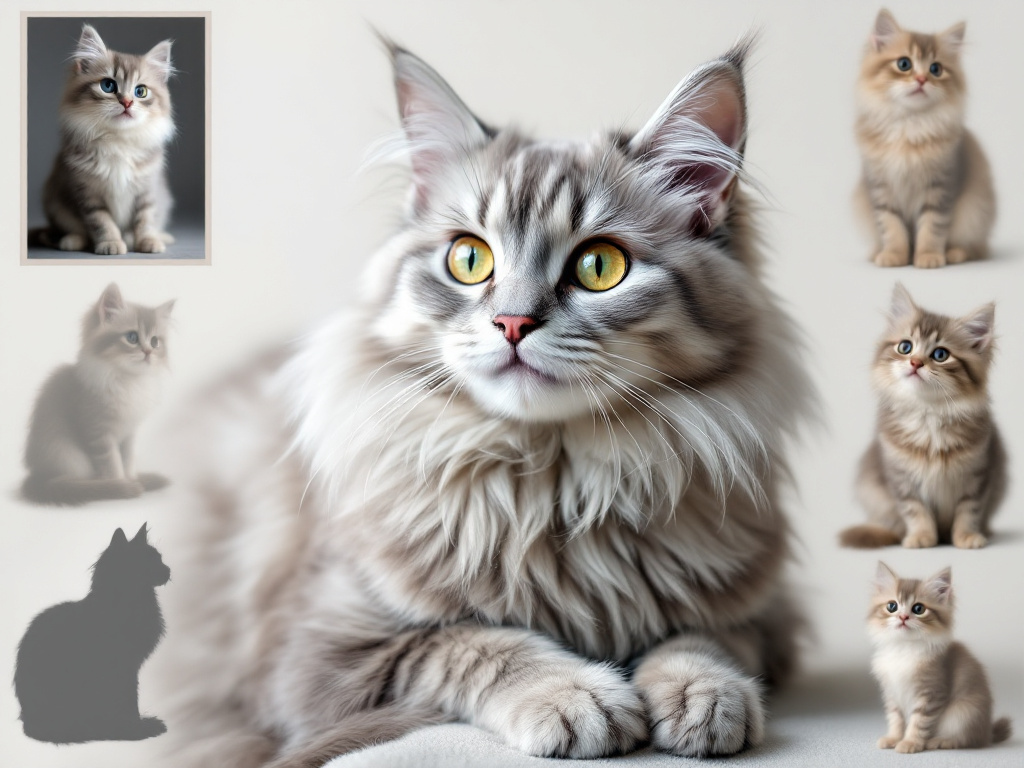
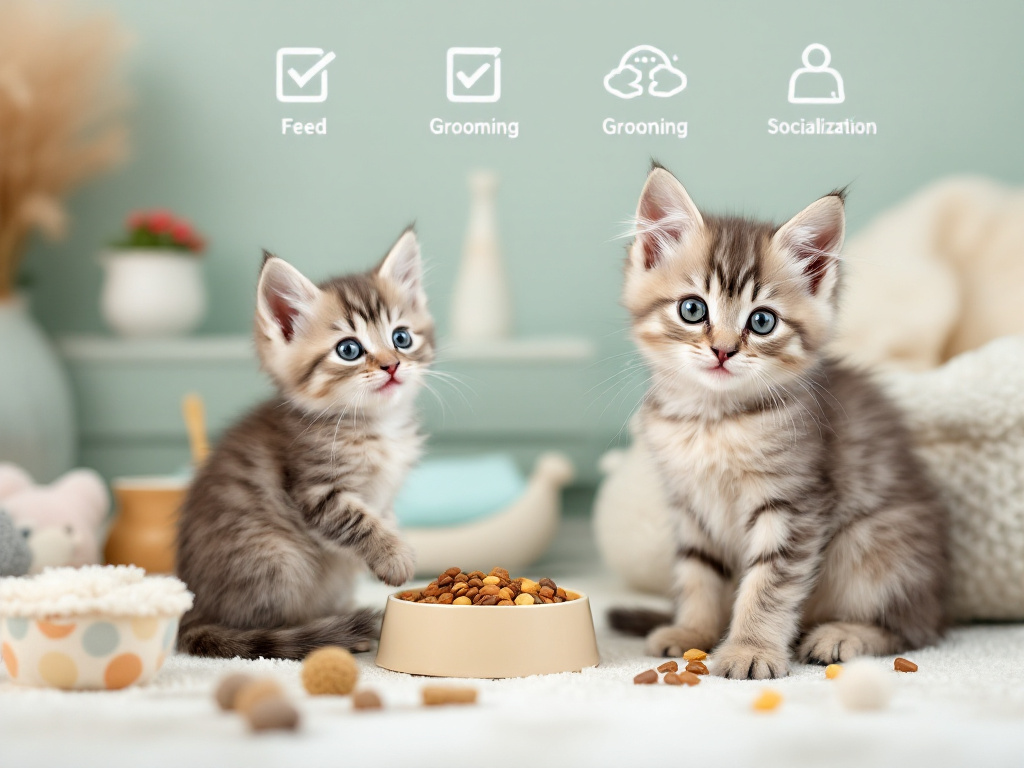
Bringing home a silver Abyssinian kitten is exciting, but those first 12 weeks set the stage for a lifetime of health, play, and snuggles. Here’s your silver Abyssinian kitten care first 12 weeks checklist and tips to help you feel confident from day one. You’ll find practical pointers on feeding, vaccines, socialisation, grooming, and troubleshooting, all wrapped in a friendly chat-style guide.
By the end of this article you’ll have a clear plan, with milestones to tick off, so you won’t miss a beat during this critical growth period.
Prepare Your Kitten’s New Home
Kitten-Proof Essential Areas
Before your kitten arrives, scan rooms for hazards:
- Stow loose cables behind furniture or inside cord organisers
- Secure houseplants (many are toxic to cats)
- Lock toilet lids and close bathroom doors
- Block off narrow gaps where a curious kitten might get stuck
Taking these precautions means less stress when your little explorer arrives.
Create a Cozy Safe Space
A confined area helps your kitten settle in. Pick a quiet corner or spare room and furnish it with:
- A soft bed or blanket
- Litter tray (see silver abyssinian health and care guide grooming nutrition common issues)
- Food and water bowls (stainless steel or ceramic)
- A few favourite toys and a scratching post
Having a secure space encourages confidence and lets you keep an eye on eating, toileting, and play habits.
Gather Essential Supplies
Use this quick checklist to shop before day one:
- Kitten food (wet and dry options)
- Age-appropriate litter and scoop
- Carrier for vet visits
- Grooming tools: soft-bristle brush, nail clippers, ear-cleaning solution
- High-quality kitten formula (if necessary)
- Harness and leash for future outings
Keep receipts, especially if you opt for a wellness plan that covers vaccines and check-ups.
Establish a Feeding Routine
Transition From Mother’s Milk
At around three to four weeks, kittens start exploring solid food. To wean your Abyssinian:
- Offer a shallow dish of moistened kitten kibble
- Gently dip their whiskers into the mix to spark interest
- Separate them from mum for short sessions, letting them nibble at will
By six to eight weeks most kittens are comfortable on solid meals, but continue offering formula if any seem underweight.
Nutritional Needs of Silver Abyssinian Kittens
Abyssinians grow fast. They need:
- High-quality proteins (chicken, turkey, fish) for muscle development
- Calcium and phosphorus for strong bones and teeth
- DHA (an omega-3 fatty acid) to support brain and vision growth
- Adequate hydration—offer fresh water at every meal
For breed-specific advice check our silver abyssinian diet guide best foods at each life stage.
Sample Feeding Schedule
Divide daily calories into three to four meals until four months old:
| Time | Meal |
|---|---|
| 7 am | 10–15 g dry kibble + 5 g wet food |
| 12 pm | 10–15 g dry kibble |
| 5 pm | 10–15 g dry kibble + 5 g wet food |
| 9 pm | Small snack (treats or top-up wet food) |
Adjust portions based on appetite, growth rate, and vet’s guidance. After four months you can shift to two to three meals a day.
Schedule Core Vaccinations
FVRCP Vaccination Timeline
The FVRCP combo protects against feline rhinotracheitis, calicivirus, and panleukopenia. Typical schedule:
- First dose at six to eight weeks
- Booster every three to four weeks until 16 weeks old
- Repeat one year after initial series, then every three years
Ask your vet to confirm timing, especially if your kitten arrived later in the schedule.
Rabies Shot Details
In the UK, rabies vaccine rules vary. Generally:
- First rabies jab at 12–16 weeks (vet will advise)
- Booster at 12 months after initial dose
- Then every three years or as local laws require
Always carry proof of vaccination for travel and microchipping documentation.
Optional Immunisations
Depending on lifestyle, consider:
- Feline leukaemia virus (FeLV) vaccine for outdoor access or multi-cat households
- FIV (feline immunodeficiency virus) and Chlamydophila felis if risk is high
Chat with your vet about the best protection plan for your kitten’s world.
Promote Early Socialisation
Capitalise on the Social Window
Kittens are most open to new experiences from two to seven weeks, extending up to nine weeks. Since most silver Abyssinian kittens come home around eight weeks, start socialising immediately.
Gentle Handling and Touch Exercises
- Spend short sessions (5–10 minutes) stroking paws, ears, and tail base
- Offer treats to create positive associations with touch
- Respect “opt-outs” if your kitten retreats or shows stress
For breeder-led socialisation tips see silver abyssinian kitten socialisation how breeders prepare them for homes.
Introducing to Household Members
- Let your kitten explore one friendly visitor at a time
- Swap bedding or toys between resident cats before face-to-face meetings
- Reward calm behaviour with praise and treats
Patience is key—rush introductions and you risk negative experiences.
Start Grooming Habits
Coat Care and Brushing
Silver Abyssinians have short, dense coats that benefit from weekly brushing. Use a soft-bristle brush to:
- Remove loose hairs
- Distribute natural oils for a glossy finish
- Spot skin issues early
For advanced grooming advice check silver abyssinian coat care grooming shedding and maintenance.
Nail Trims and Ear Cleaning
- Trim nails every 2–3 weeks with cat-specific clippers, avoiding the quick
- Clean outer ears with a damp cotton ball and vet-approved solution once a week
Start small: clip one nail or clean one ear per session to build confidence.
Dental Hygiene Basics
- Introduce a pet-safe toothpaste and finger brush by mid-kittenhood
- Offer dental chews or toys to help reduce plaque buildup
Healthy teeth now mean fewer issues down the line.
Monitor Health and Troubleshoot Common Issues
Deworming and Preventatives
Standard deworming schedule:
- Two, four, six, and eight weeks old (as per vet advice)
- Monthly flea and heartworm preventatives starting around eight weeks
Keeping up to date helps avoid tummy upsets, poor growth, and serious infections.
Recognising Illness Signs
Look out for:
- Diarrhoea, vomiting, or loss of appetite
- Lethargy or hiding more than usual
- Sneezing, coughing, or discharge around eyes and nose
If you spot any red flags, call your vet rather than wait.
When to Seek Vet Advice
If your kitten shows:
- Laboured breathing or blue-tinged gums
- Persistent crying or signs of pain
- Refusal to eat for 24 hours
Don’t hesitate—early intervention often prevents complications.
Key Takeaways and Milestones Checklist
Below is a quick reference to keep you on track during those all-important first 12 weeks.
First Week Goals
- Kitten-proof main areas and set up safe room
- Establish feeding routine and hydration
- Book initial vet check and first FVRCP dose
- Introduce gentle handling sessions
Weeks 2–4 Milestones
- Complete weaning transition to kitten food
- Second FVRCP booster
- Start nail trims, ear cleaning, and tooth-brushing practice
- Short play sessions with wand toys
Weeks 5–12 Milestones
- Finish core vaccinations (FVRCP series and rabies first dose)
- Add optional vaccines if needed (FeLV, FIV)
- Increase socialisation: new people, sounds, environments
- Grooming routine solidified: weekly brush, fortnightly nail trim
Your Next Steps
You’re all set for the wild ride of those first 12 weeks. Pick one area—maybe nail trims or socialisation—and give it a go today. As your silver Abyssinian kitten blossoms, share your wins and questions below so we can learn from each other. And if you want to dive deeper into breed traits or training, check out our guide on silver abyssinian characteristics appearance temperament and behavior. Enjoy every whisker twitch and purr—this is just the beginning of an unforgettable friendship.