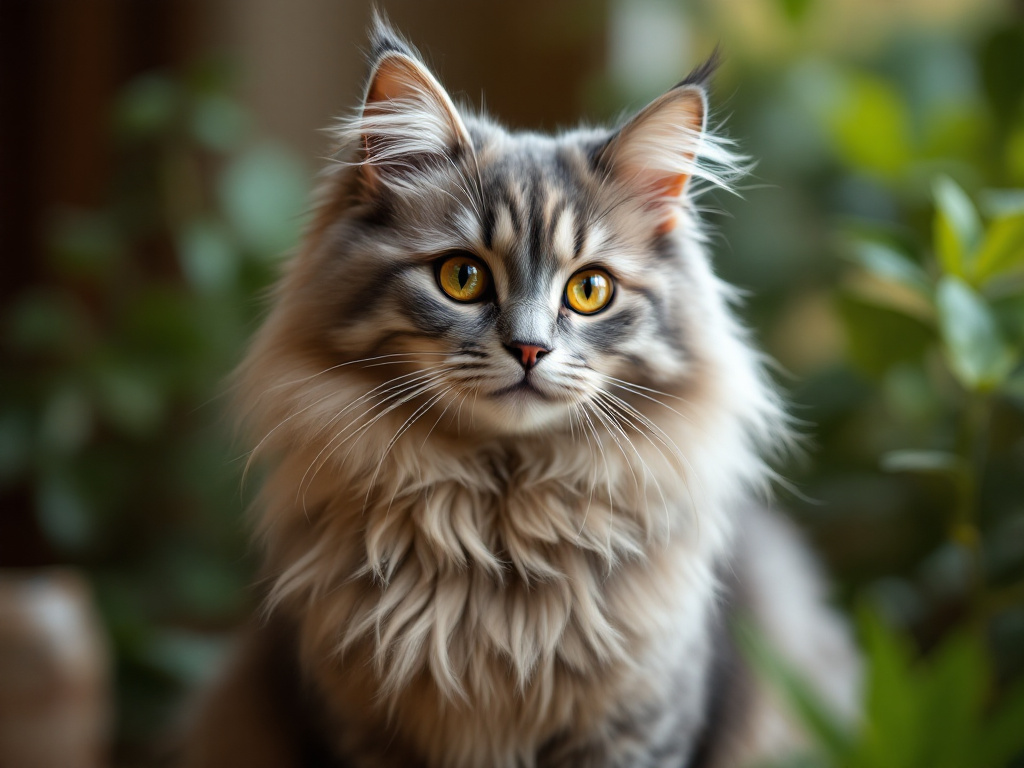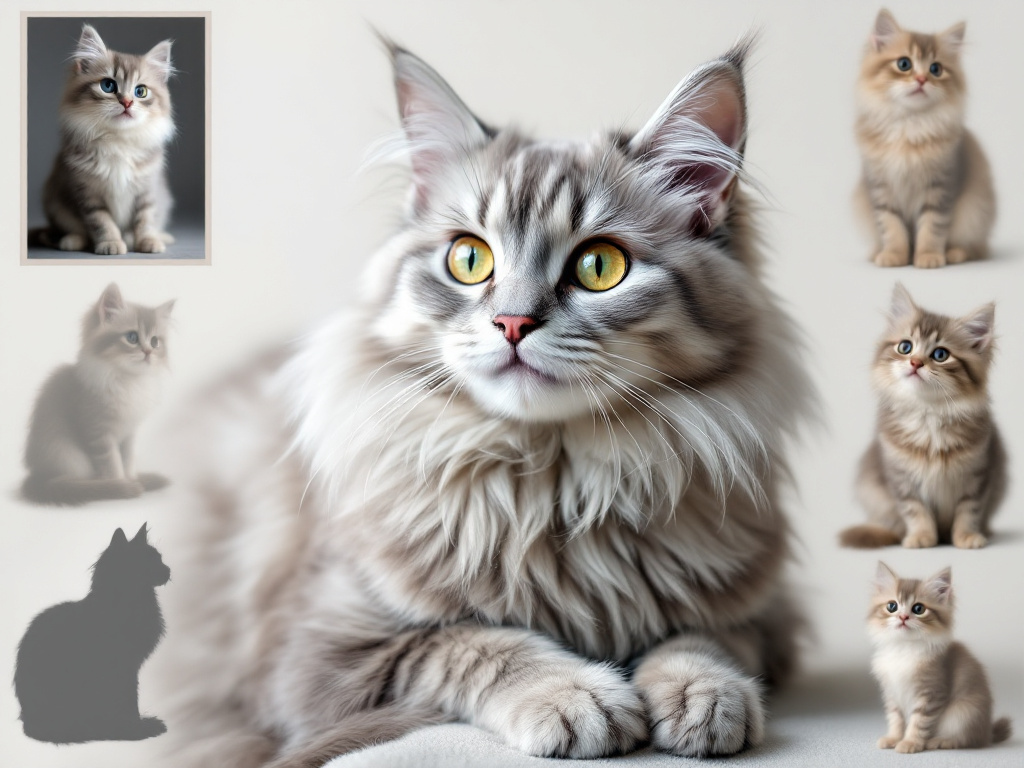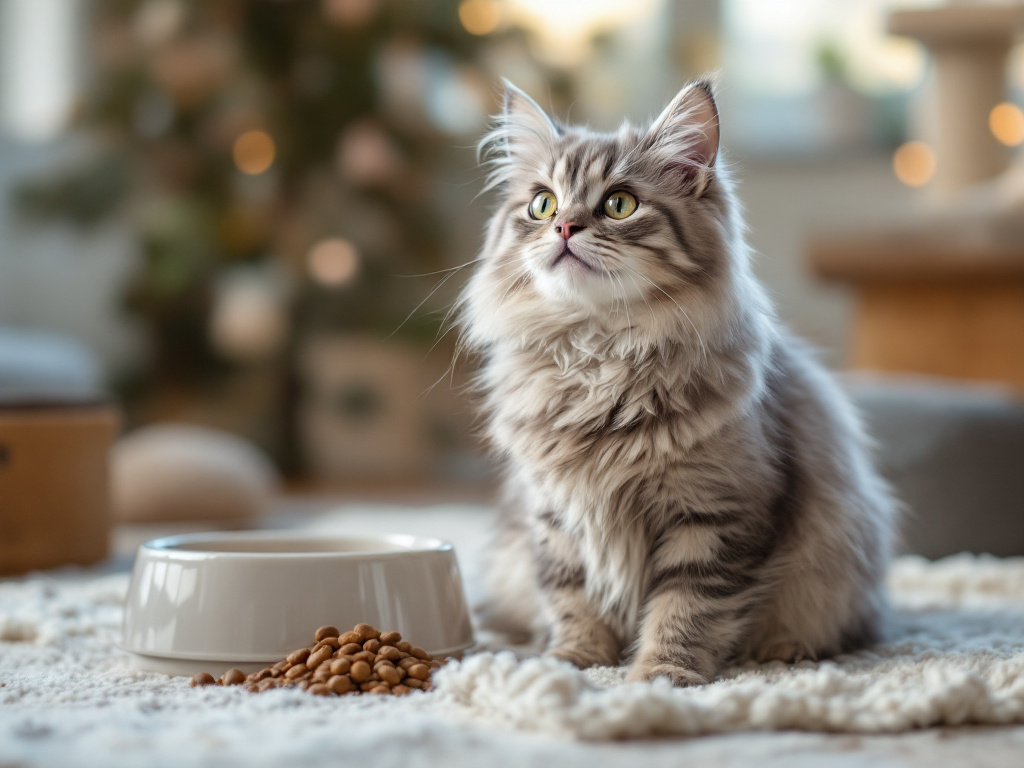
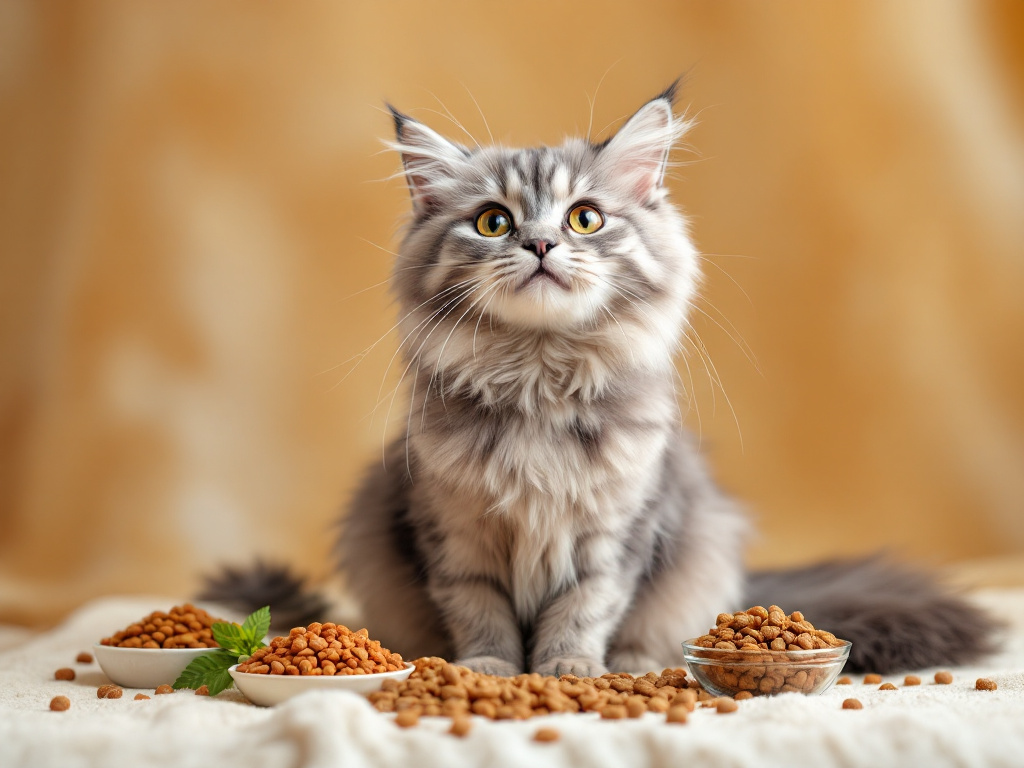
Picture this: you’re welcoming a playful silver Abyssinian kitten into your home, ready to grow into a sleek, energetic adult and eventually a wise senior. Nutrition plays a starring role at every stage of that journey. This silver Abyssinian diet guide outlines the best foods at each life stage, so you can keep your cat healthy, active, and thriving from kittenhood to golden years.
You’ll discover:
- How to meet kitten growth needs without overfeeding
- What to look for on food labels to ensure quality
- Optimal protein sources and feeding routines for adults
- Senior-friendly diets that support ageing joints and organ health
- Supplements and hydration tips to round out your cat’s meals
Let’s dive into crafting the perfect meal plan for your silver Abyssinian, life stage by life stage.
Kitten Feeding Essentials
Abyssinian kittens grow fast, climbing, exploring, and pouncing around the clock. To fuel that boundless curiosity, you need a diet rich in protein, healthy fats, and essential nutrients.
Growth Stage Foods
From about 8 weeks to 12 months, your kitten needs a “growth” or “all life stages” formula. These diets contain higher levels of:
- Animal-based protein (chicken, turkey, fish) for muscle development
- Essential fatty acids like DHA for brain and vision growth
- Calcium and phosphorus in balanced ratios for bone health
Brands like Untamed specialise in protein-rich wet recipes (for example Chocka Chicken in Jelly) that use whole-meat ingredients, steamed gently to lock in nutrients. These meals often exceed the industry standard protein levels, so your kitten gets the energy to bounce off every wall.
Portion And Frequency
Wondering how much to feed your little explorer? Divide daily rations into multiple small meals—three to four per day. This helps regulate blood sugar and avoids overwhelming tiny stomachs.
- 8–12 weeks: 4 feeds per day
- 3–6 months: 3 feeds per day
- 6–12 months: 2–3 feeds per day
Always weigh portions with a kitchen scale. Follow guidelines on the back of the pack, then adjust based on your kitten’s appetite and body condition. If you want more tips on bringing home a young Abyssinian, check out silver Abyssinian kittens what to know before buying in the uk.
Choosing Quality Cat Food
Not all cat foods are created equal. To make sure you pick a nutritionally complete diet for your silver Abyssinian, focus on standards and ingredients.
AAFCO Nutritional Standards
Look for foods that meet the nutritional profiles set by the Association of American Feed Control Officials (AAFCO). These guidelines ensure each meal is complete and balanced:
- “Complete and balanced” on the label
- Life stage designation (growth, adult maintenance, senior)
- AAFCO feeding trial or formulation statement
You can learn more about these benchmarks at the AAFCO website.
Reading Ingredient Labels
Ingredients are listed by weight. A high‐quality recipe will feature:
- Named meat sources (e.g., chicken, turkey, salmon) as the first item
- Minimal grain fillers or starches (rice, pea starch)
- Limited vegetable proteins (soy, pea protein)
- No artificial colours, flavours, or preservatives
If you spot vague terms like “meat meal” or “animal by‐products,” steer clear. Aim for whole‐meat, grain‐free choices when possible, since silver Abyssinians thrive on high-protein, nutrient-dense diets.
Adult Nutrition Needs
Once your cat reaches around 12 months, it transitions to an adult maintenance diet. The goal is to sustain lean muscle, support organ function, and prevent weight gain.
Protein Sources
High-quality wet foods should still lead the way, offering digestible protein from real meat:
- Chicken, turkey or duck
- Fish such as tuna or salmon (in moderation)
- Beef or lamb if your cat has no sensitivities
A dry kibble can complement wet meals, especially for dental health. Choose one with at least 35% protein (on a dry matter basis) and low carbohydrate levels. Untamed’s adult recipes, for instance, deliver twice the industry standard protein without grain fillers.
Feeding Routine And Enrichment
Adult silver Abyssinians benefit from predictable feeding times. Aim for two measured meals per day rather than free feeding to help maintain ideal weight.
To tap into their smart, curious nature, try a puzzle feeder once daily. It encourages problem-solving and slows down gulpers, reducing the risk of digestive upset. For more on keeping your silver Abyssinian healthy overall, see our silver Abyssinian health and care guide grooming nutrition common issues.
Senior Care Diet
Cats over 10 years old enter their senior years, though some Abyssinians might be classed as senior around age 8. As metabolism shifts, you’ll need to tweak their diet to match.
Calorie Control
Energy needs dip initially then may rise around 11 years due to less efficient nutrient absorption. Too many calories can lead to obesity, increasing risks of diabetes and arthritis.
- Aim for 20%–25% fewer calories per day than adult maintenance
- Use body condition scoring and regular weigh‐ins to track changes
- Discuss ideal weight and caloric targets with your veterinarian
Senior-Friendly Formulations
Senior diets often feature:
- Higher quality protein that’s easy to digest
- Joint-supporting nutrients like glucosamine and chondroitin
- Antioxidants (vitamins E, C) and taurine for immune health
- Moderate phosphorus levels to ease kidney workload
Wet senior food also boosts hydration, which is vital as older cats can become less sensitive to thirst. If you want deeper insights on keeping your silver Abyssinian living longer and healthier, visit silver Abyssinian lifespan and longevity how to keep them healthy.
Supplement Considerations
Even with a top‐quality diet, targeted supplements can support your cat’s well‐being at each life stage.
Omega-3 And Fish Oils
Omega-3 fatty acids (EPA and DHA) support:
- Heart and cognitive function
- Skin and coat health, keeping that silver sheen shiny
- Joint comfort, especially as your cat ages
A single teaspoon of fish oil once or twice a week can make a big difference. Check with your vet for dose based on your cat’s weight.
Joint And Immune Support
As Abyssinians grow older, cartilage wears down and immune defences can weaken. Consider supplements with:
- Glucosamine and chondroitin for joint cushioning
- Green‐lipped mussel powder, a natural anti‐inflammatory
- Probiotics to aid digestion and nutrient absorption
Always choose supplements formulated for cats and approved by your veterinary team.
Monitoring Hydration
Water is the most crucial nutrient for cats of any age. Adequate hydration helps digestion, kidney function, and overall vitality.
Wet Vs Dry Discussion
Wet food naturally boosts fluid intake, which is helpful if your cat favours canned meals. Dry kibble is convenient and can aid in cleaning teeth, but it errs on the side of starches.
Many owners find a balanced approach works best:
- 60%–70% of daily calories from wet food
- 30%–40% from dry, measuring portions carefully
Boosting Water Intake
If your cat drinks too little:
- Provide multiple water bowls in quiet spots
- Experiment with a cat fountain to entice sipping
- Mix a small amount of low‐sodium chicken broth into meals
Keep bowls fresh—wash them daily—and monitor for changes in drinking habits, which can signal health issues.
Feeding Plan Summary
| Life Stage | Food Type | Frequency | Key Focus |
|---|---|---|---|
| Kitten | Growth/all stages wet feed | 3–4 small feeds/day | Protein, DHA, balanced Ca:P |
| Adult | Adult maintenance wet + kibble | 2 meals/day | Lean muscle, dental health |
| Senior | Senior wet feed + dry diet | 2 meals/day | Lower calories, joint care |
Key Takeaways
- Silver Abyssinian kittens need high-protein, growth‐stage diets split into 3–4 feeds
- Always choose foods that meet AAFCO standards and list named meats first
- Adults thrive on two measured meals daily, plus enrichment like puzzle feeders
- Senior cats benefit from lower calories, joint‐supporting nutrients, and extra hydration
- Supplements—fish oils, glucosamine, probiotics—can fill nutritional gaps
Ready to tailor your silver Abyssinian’s meals? Start by swapping out generic dry kibbles for a protein-rich wet food and see how your cat’s energy and coat shine improve. Have a diet tip or success story? Drop it in the comments and help fellow owners give their Abyssinians the best possible nutrition.