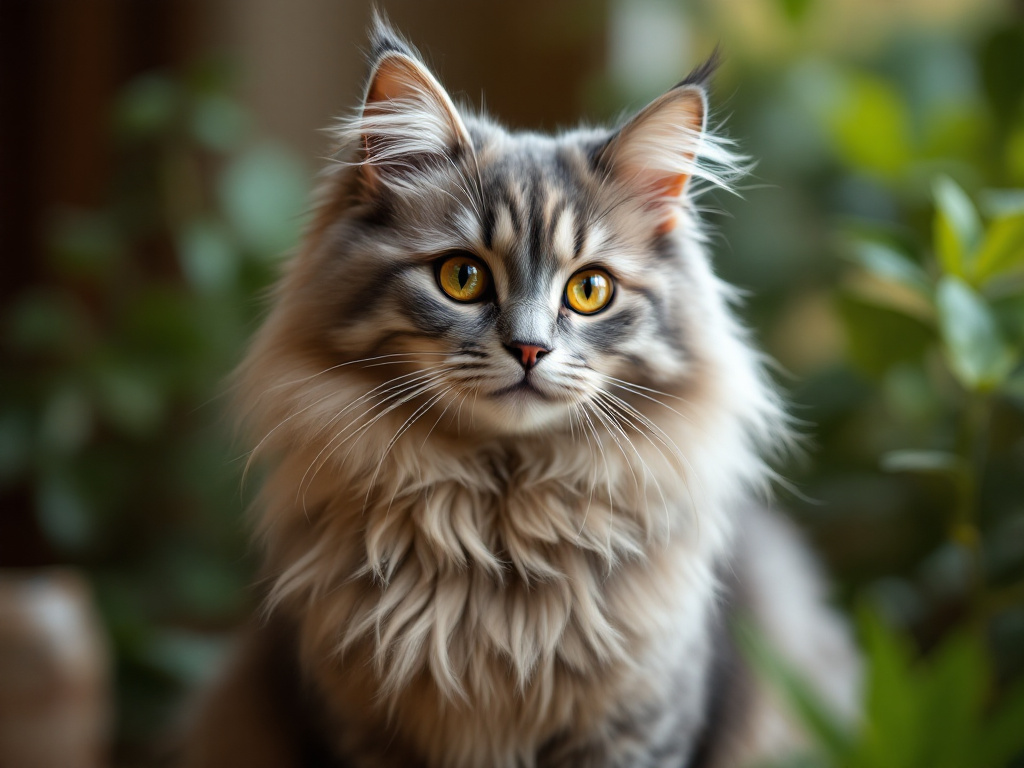

Silver Abyssinians and allergies: what you need to know can seem like a mouthful. You might love these shimmering cats, but worry about sniffles or itchy eyes. In this guide, you’ll learn how allergens work, whether silver Abyssinians trigger reactions, and practical tips for keeping sneezes at bay.
If you’ve already checked out our silver Abyssinian characteristics and behaviour post, you know these cats bring energy and charm. But can they spark an allergy attack in your home? Let’s dive into the details and equip you with strategies to keep both your cat and your sinuses happy.
Understanding Cat Allergies
What Triggers Reactions
Allergic responses to cats usually stem from:
- Dander, tiny flakes of dead skin that float in the air
- Saliva proteins (chiefly Fel d 1) spread during grooming
- Urine residues on fur and surrounding surfaces
These allergens can linger on carpets, bedding, and soft furnishings, so even a brief whiff of fur might set off sneezing.
Symptoms to Watch
Here’s a quick look at common allergy signs:
| Symptom | Possible Trigger |
|---|---|
| Sneezing | Airborne dander |
| Itchy, watery eyes | Saliva proteins |
| Coughing or wheezing | Inhaled allergens |
| Skin rashes | Direct contact with fur |
If you notice these reactions around your cat, it’s time to explore ways to reduce allergen levels.
Silver Abyssinian Coat
Ticking and Shedding
Silver Abyssinians sport the same ticked coat pattern as their ruddy cousins, with alternating bands of shaft colour creating that characteristic shimmer. Their fur is short and dense, and shedding tends to be moderate rather than heavy. That can mean fewer loose hairs around the house, but it doesn’t eliminate allergen sources entirely.
For more on maintaining their lustrous coat, check out our silver Abyssinian coat care grooming shedding and maintenance guide.
Allergen Sources
Even minimal shedding can release dander into the air. Plus, every time your cat grooms, saliva proteins cling to individual hairs. Those microscopic particles can float through your home long after the brushing session ends.
Assessing Allergy Evidence
Hypoallergenic Myth
You might have heard Abyssinians billed as hypoallergenic. The truth is, no cat is completely free of Fel d 1 protein. While these cats often produce less dander than some long-haired breeds, they still carry allergens in their saliva and skin cells.
Research Findings
- Studies confirm that Fel d 1 levels vary by individual more than by breed
- Regular genetic testing shows Abyssinians aren’t immune to producing allergens
- Anecdotal evidence suggests some owners experience milder reactions, but results differ wildly
Ultimately, your own sensitivity will determine how well you cope with any cat.
Managing Allergies at Home
Cleaning Routine
A consistent cleaning schedule helps keep airborne allergens in check:
- Vacuum carpets and upholstery twice weekly with a HEPA filter
- Wash cat bedding in hot water at least once a week
- Dust surfaces with a damp cloth to trap particles instead of spreading them
Environmental Controls
Small changes in your living space can cut allergen levels:
- Use an air purifier with a HEPA filter in your main living area
- Create cat-free zones, ideally in your bedroom, to guarantee allergy-free sleep
- Opt for hard floors over carpets to simplify dust and dander removal
Grooming to Reduce Allergens
Brushing Schedule
Regular brushing removes loose hair before it turns into airborne dander. Aim for:
- Two to three sessions per week indoors
- A soft-bristle brush or grooming glove to minimise skin irritation
- Wiping the brush on a damp cloth outdoors to release trapped allergens
Bathing Guidance
Baths can wash away surface dander and saliva proteins:
- Bathe your cat once every four to six weeks, or as advised by your vet
- Use a gentle, hypoallergenic shampoo formulated for cats
- Wrap your kitty in a warm towel afterwards to prevent chills
Seeking Medical Options
Over-The-Counter Remedies
For immediate relief, consider:
- Non-drowsy antihistamines (loratadine or cetirizine)
- Saline nasal sprays to flush out allergens
- Eye drops for itchy, irritated eyes
Always follow the dosage guidelines and check with your GP before starting any new medication.
Immunotherapy Approaches
If over-the-counter drugs aren’t enough, allergy shots or sublingual tablets may help:
- Immunotherapy gradually desensitises your immune system to Fel d 1
- Treatment typically spans three to five years for lasting results
- Clinics like Curex offer telemedicine options, with patient costs often around £150 to £200 yearly
Discuss these options with an allergy specialist to see if you’re a suitable candidate.
Choosing an Allergy-Friendly Cat
Breeding Insights
Some breeders focus on lines that produce lower Fel d 1 levels. If you’re interested in the genetics behind silver Abyssinians, our breeding silver abyssinians genetics ethics and best practices article dives deep into ethical selection methods.
Test Before Adopting
Before bringing a cat home:
- Spend several hours in a breeder’s space to gauge your reaction
- Ask if you can handle kittens and adults to see which life stage suits you
- Read our is a silver Abyssinian right for your family beginner guide for questions to pose
Real-world exposure is your best predictor of future comfort.
Key Takeaways and Next Steps
- Cat allergies stem from dander and saliva proteins, not fur length
- Silver Abyssinians shed moderately, but brushing and baths can cut dander
- Regular cleaning, HEPA filters, and cat-free zones lower allergen levels
- Over-the-counter antihistamines and immunotherapy offer relief options
- Test your sensitivity before adopting to ensure a sneeze-free bond
Ready to dive deeper into keeping your cat healthy and your home comfortable? Check out our silver Abyssinian health and care guide grooming nutrition common issues for more expert tips. Have you found a foolproof tip for managing cat allergies? Share your experience in the comments below.